The Cost of Emotional Honesty
And why I think it's still worth it.
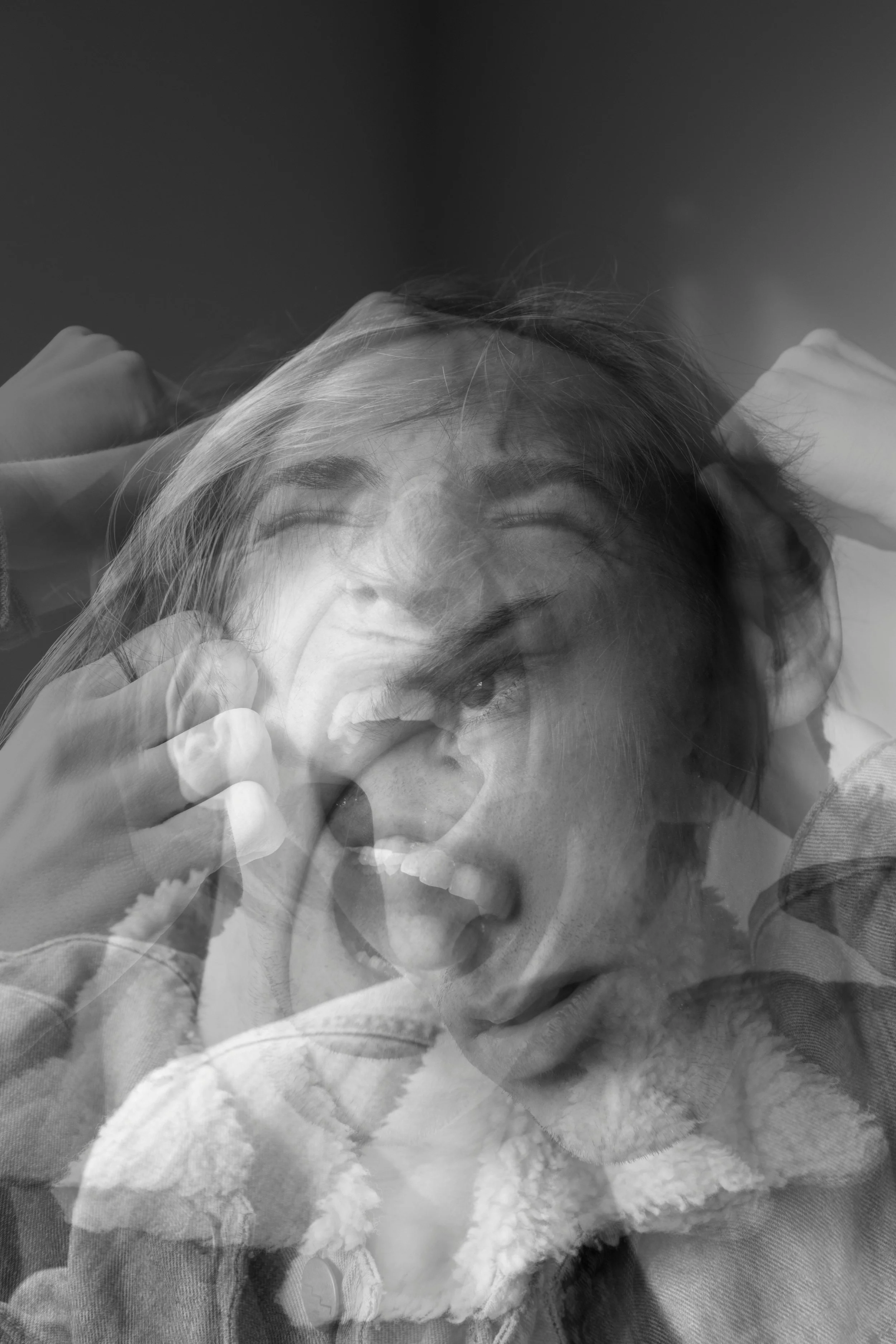
On my first date with my husband, we shared some of our most vulnerable truths with each other. That was the moment we knew we were meant to be together. Looking back, I see it wasn’t romance that created that sense of being meant to be. It was honesty.
Since then I have realised that emotional honesty is what creates true intimacy. It is not the polished version of ourselves, not the “I’m fine” answers we throw around, but the real truths we carry inside.
Why are we scared of it
We often save emotional honesty for our closest relationships, if at all. But why should it only belong in romantic partnerships? Why not friendships, motherhood, work, and even the way we talk to ourselves?
People are scared of emotional honesty. Part of it is judgment, but part of it is also this: we spend years building an image of ourselves that feels acceptable to the world. The thought of breaking that facade, even for a moment, can be terrifying.
What it reveals
The more you practice emotional honesty, the more layers you uncover. You start to see what your deal breakers in life really are. It becomes harder to stay in denial, even when denial feels easier. You notice what is not working, and you cannot unsee it. You become more perceptive about people and situations. You begin to feel more empathy, because you are honest about your own humanity. And that empathy itself can feel heavy to carry.
Many of us were conditioned this way
Many of us were raised to swallow our feelings, to keep the peace, to look perfect. I grew up in a family where emotions were rarely spoken about. Everything was swept neatly under the rug. Over time, that silence showed up in my body as physical symptoms, stress, and a deep sense of disconnection. This is why I am unraveling this now. This is why it matters so much to me.
Just look around you
Everywhere I look, I see people quietly breaking down. Secret panic attacks. Silent spirals. Burnout hidden behind perfect smiles. We read headlines about the rise of anxiety, depression, and all kinds of mental disorders, yet the world still does not lean toward emotional honesty.
It amazes me. Because maybe if we could be even a little more emotionally honest, we might actually get the help we need. We might receive the support we long for. At the very least, we might feel less alone. And isn’t that what humanity is meant to be about anyway? Real connection. Real care. Real belonging.
What changes through emotional honesty
Emotional honesty has not made my life simple. I have been judged. I have spiralled after sharing too much. I have questioned myself. But even with all that, it is still lighter than the exhausting act of pretending.
Even the smallest truths of “I am tired,” “I need help,” and “I don’t know” have opened doors. They have brought new friendships, breakthroughs in old relationships, and deeper conversations at work that go beyond the surface.
No, emotional honesty does not make life neat. It makes it real. And real is always more alive than perfect.
A small practice for you
Take a moment today to pause and ask yourself:
What is one truth I have been avoiding?
You do not need to share it with anyone. You do not even need to act on it. Just write it down or whisper it quietly to yourself. And if you do decide to share it with someone, see what shifts.
